Ladakh - Once Is Never Enough
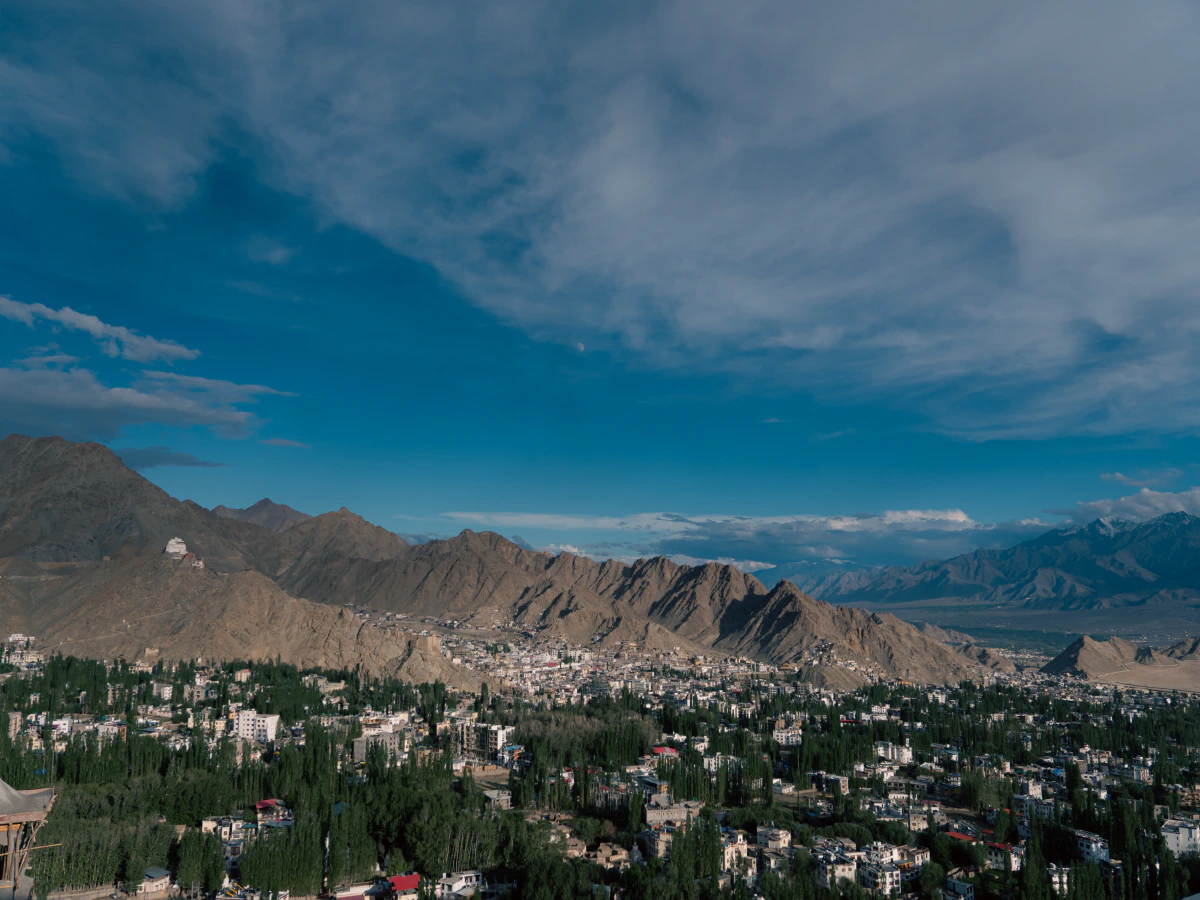
From 3 Idiots and its iconic shots of Pangong Lake to friends calling Ladakh a slice of paradise, I had heard enough about the place to finally plan a trip there.
Whenever it is a trip and not a trek, I let Santanu uncle handle the planning and the bookings. He has been running a travel agency (10-Zing Tour Trail) for years and puts together reasonably priced, comfortable itineraries. Handing over the logistics to him means I get to actually enjoy the trip instead of spending weeks buried in spreadsheets and running across various sites to book stays.
Day 1#
18th July ‘26 | Leh
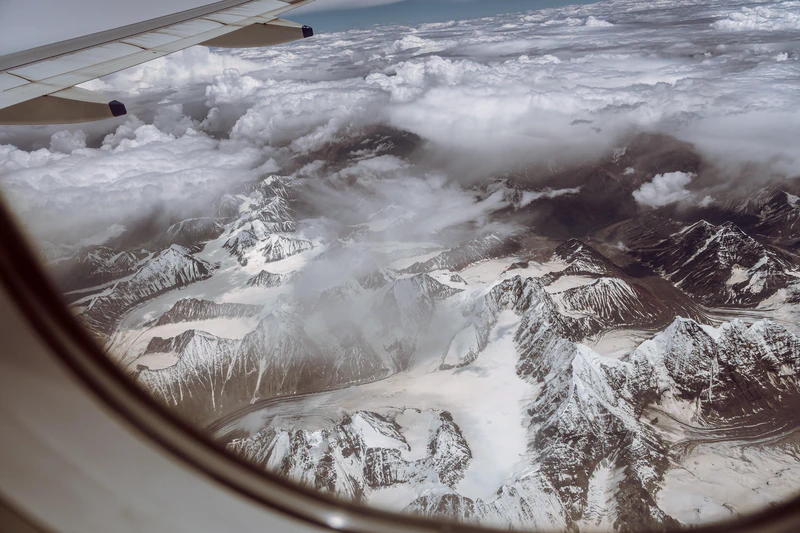
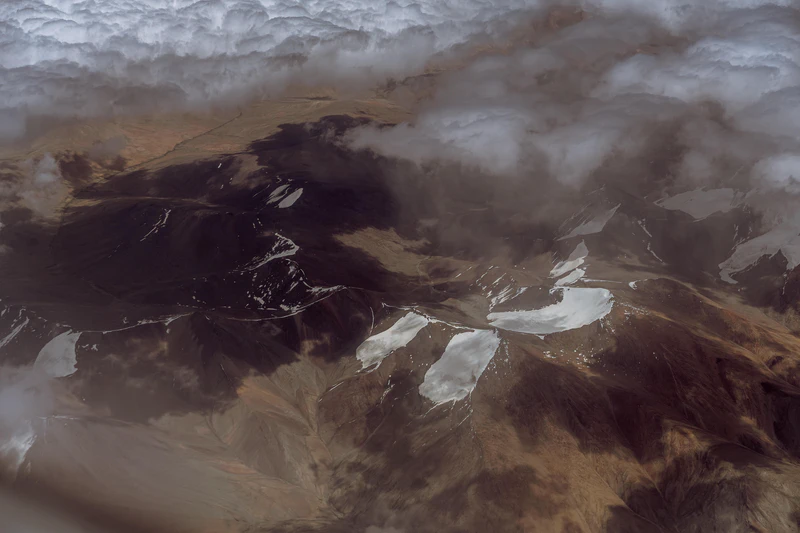
We flew from Kolkata (CCU) to Leh (IXL) via Delhi (DEL). The moment we stepped out of Leh airport, the weather caught us off guard. It was harsh and sunny, almost scorching. Somehow mountains are supposed to mean cool, pleasant weather in our heads, so this was the first small myth to get busted.
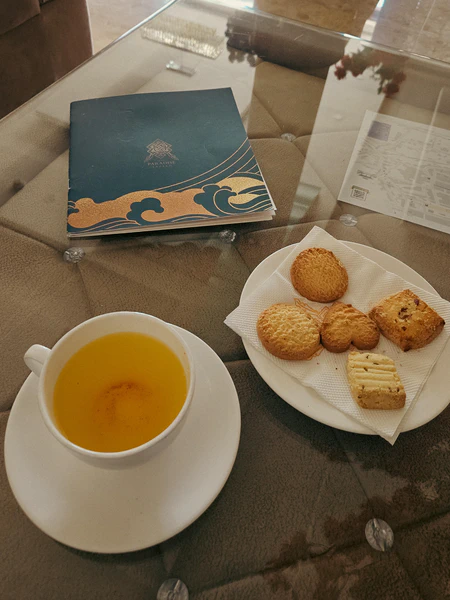
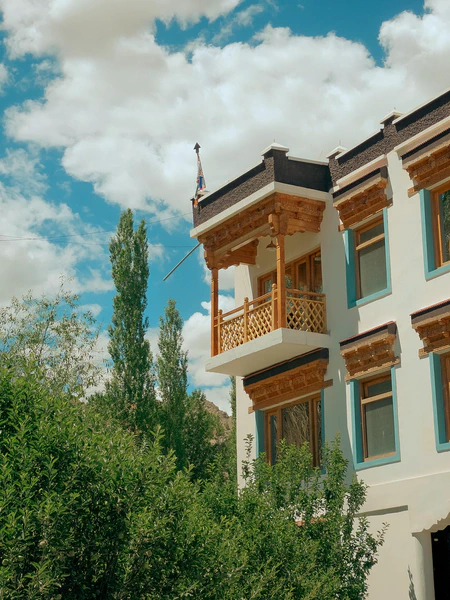
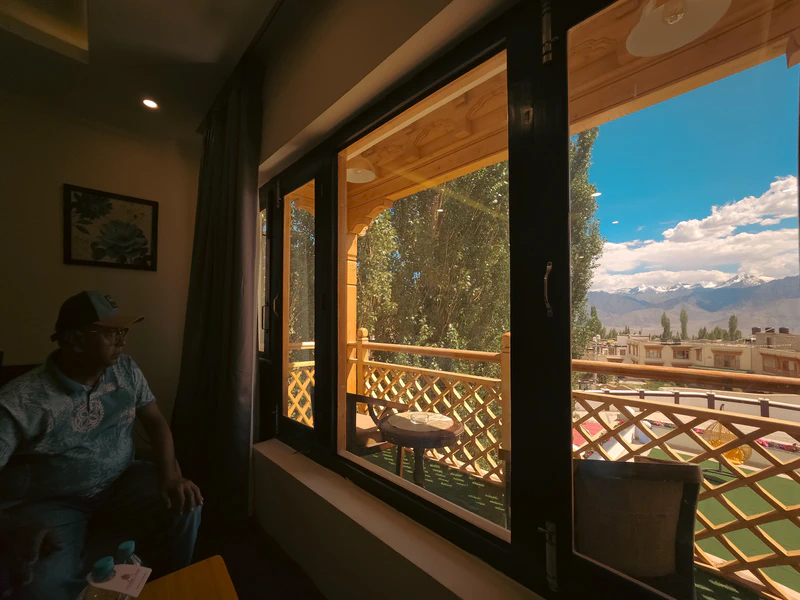
We checked into our hotel and were welcomed with a cup of complimentary kahwa. I had never tried it before, and it turned out to be wonderfully refreshing, the kind of drink that makes you feel instantly at home in a new place.
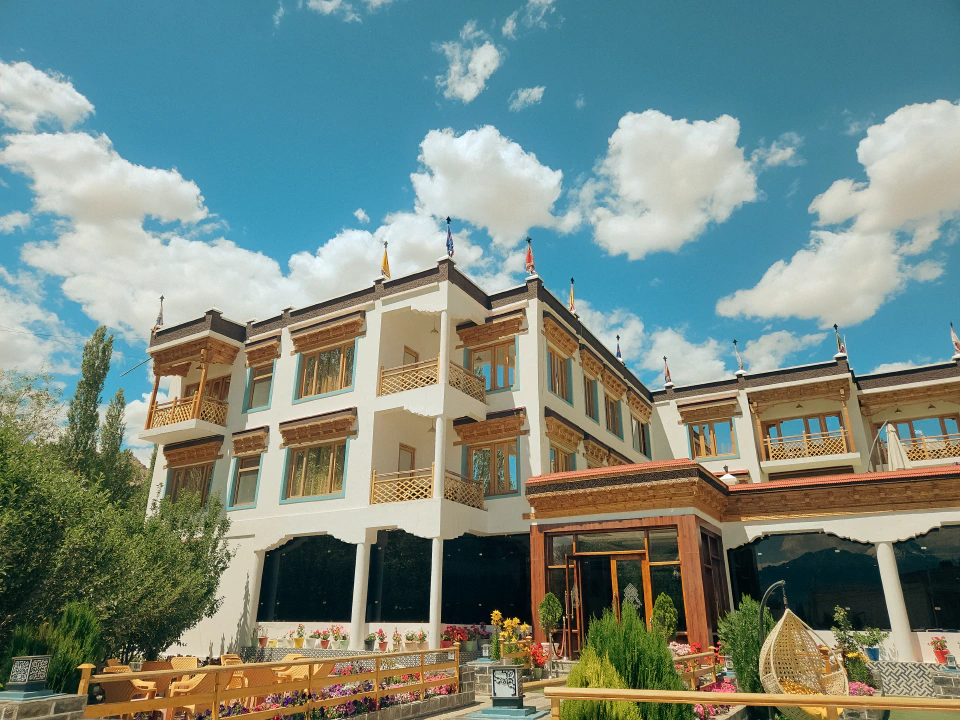
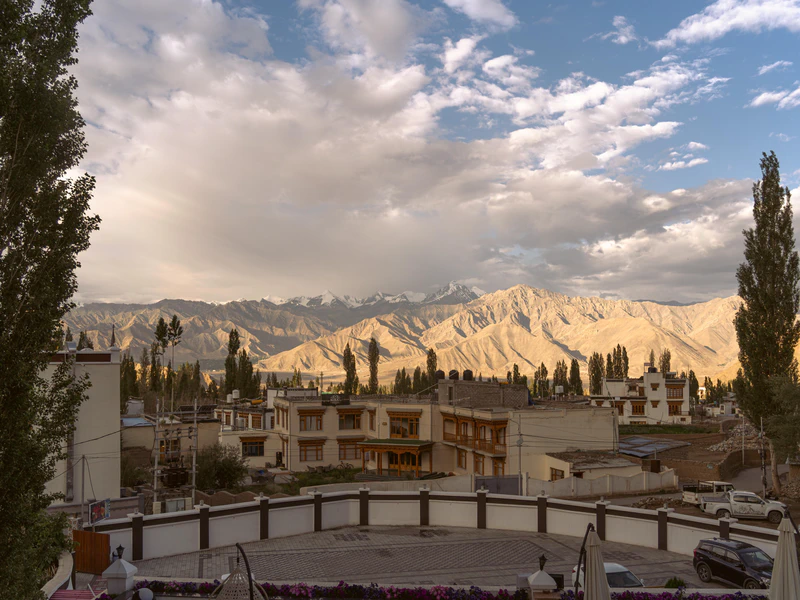
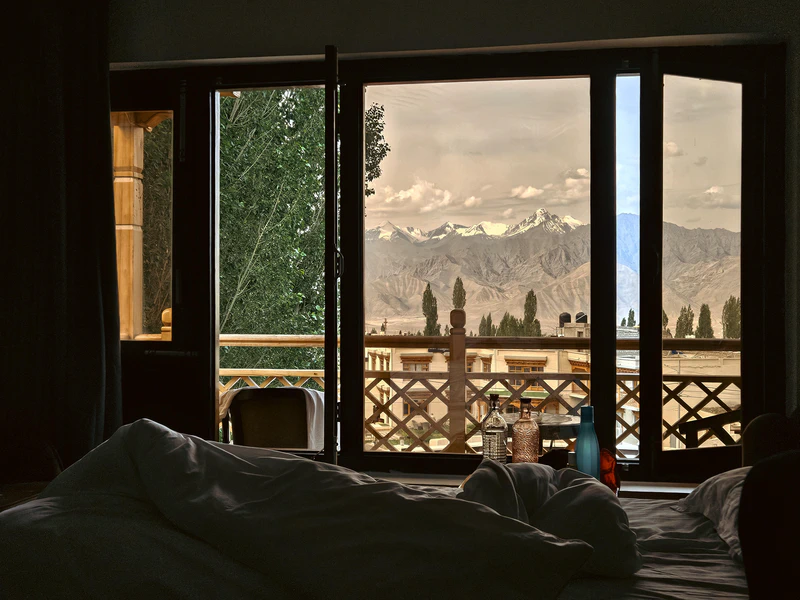
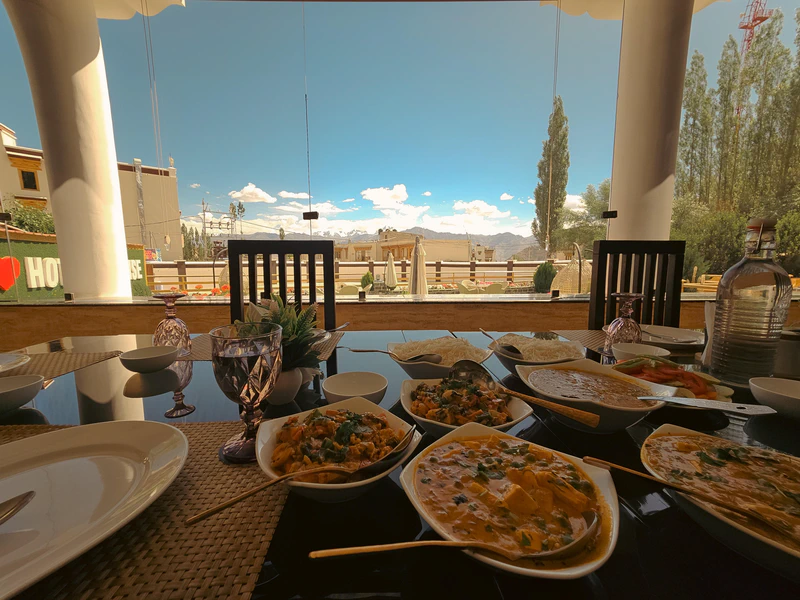
Leh sits above 11,000 feet, and our flight had taken us there from sea level in just a few hours. We could feel it. The first rule of a Ladakh trip is to acclimatize properly before doing anything else, so we spent the rest of day one simply resting at the hotel. Hotel Paradise, true to its name, served genuinely good food, which made the forced idleness a lot easier to digest.
Day 2#
19th July ‘26 | Leh
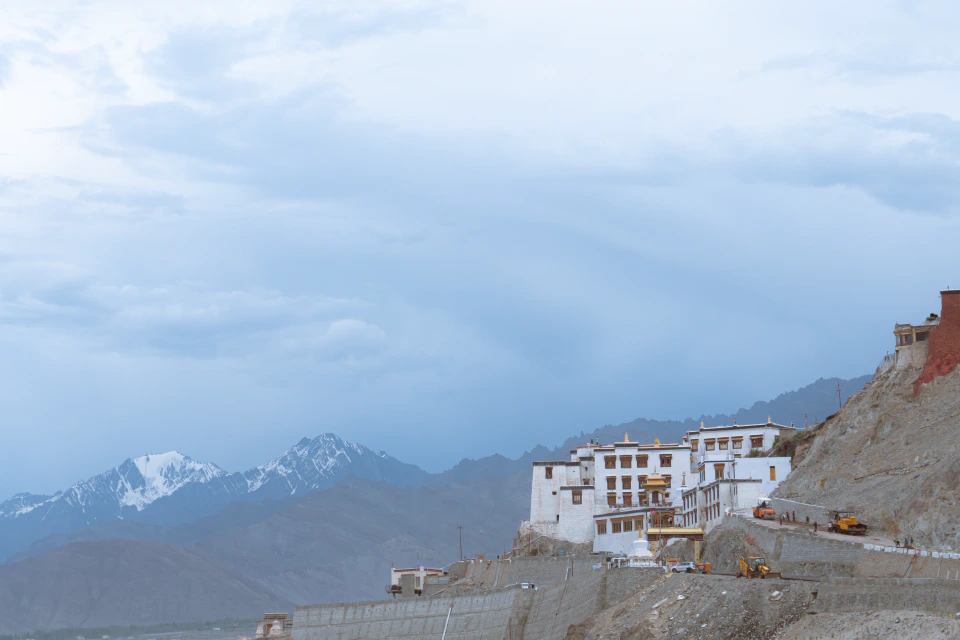
The next day we visited some of Leh’s classic tourist spots: Sangam Point, Hall of Fame, Magnetic Hill and Namgyal Tsemo Monastery. In case you did not know, there is no actual magnetic pull at Magnetic Hill. The road looks like an uphill stretch, but it is actually sloping downward, which is why vehicles appear to roll uphill on their own. The layout of the surrounding terrain and the blocked horizon trick your eyes into this illusion. Except if you already know the trick, like I did, the magic disappears entirely. It just looked to me like a regular road pretending to be interesting.
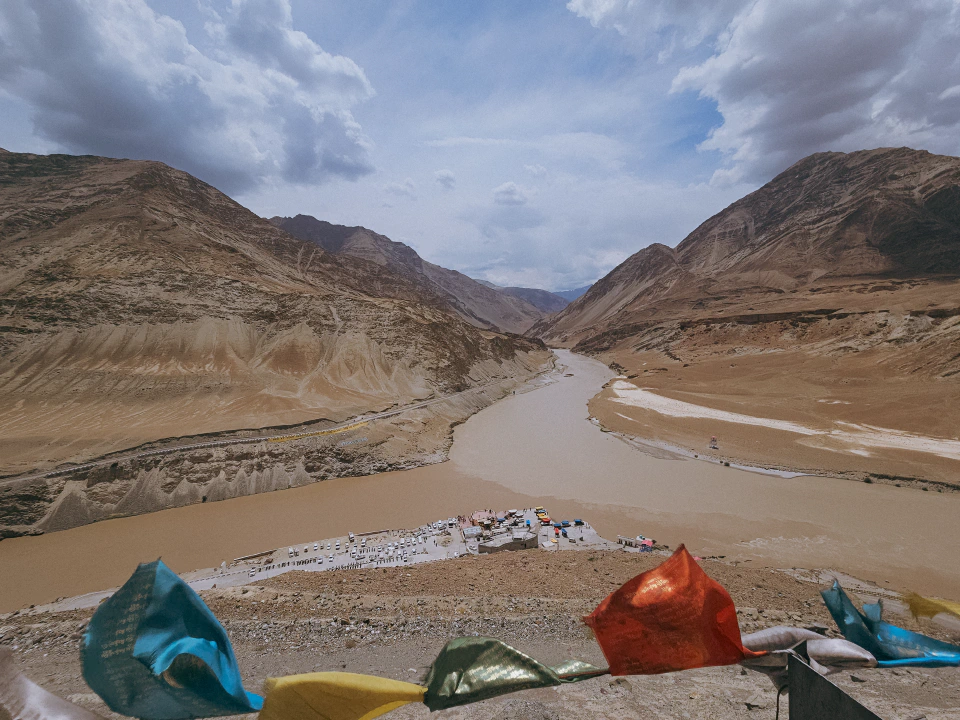
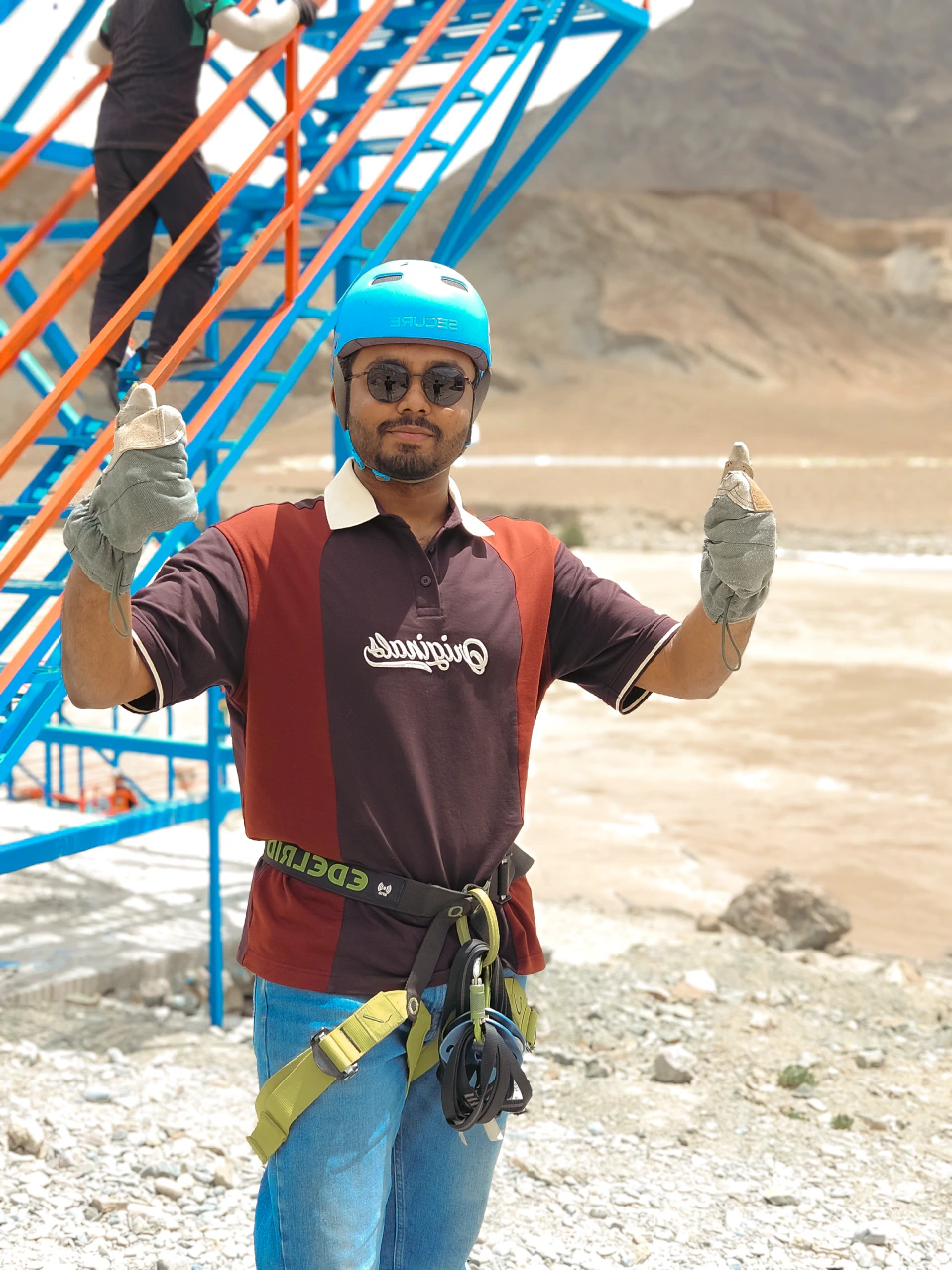
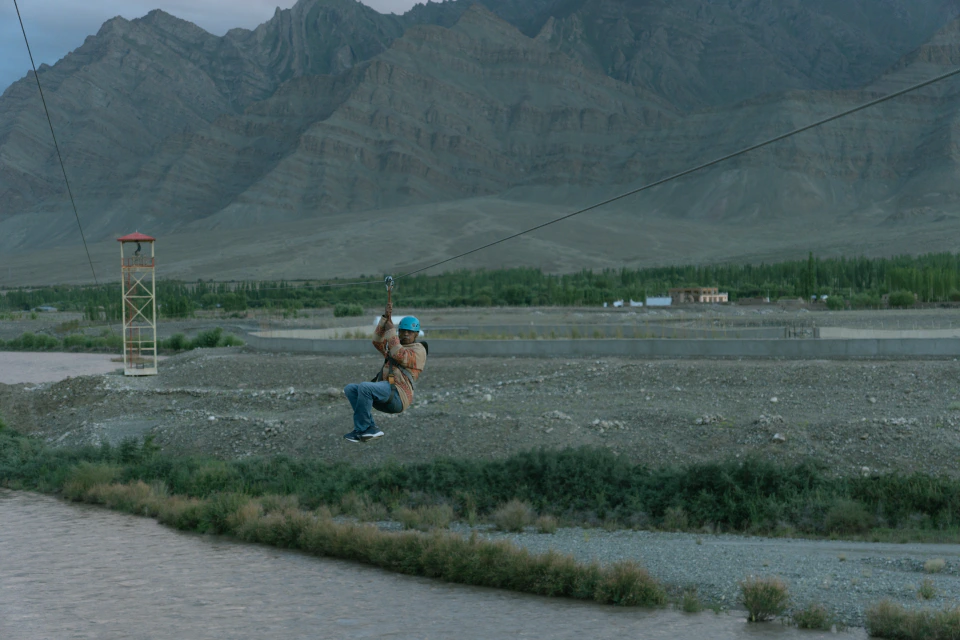
Sangam Point is where the emerald green Indus and the muddy blue Zanskar rivers meet. Since we visited in July, right in the middle of peak summer, glacial melt had added a good amount of mud to the water, which probably dulled the usual colour contrast between the two rivers. My friend and I tried a zipline across the river for the first time in our lives, and crossing a river midair was every bit as thrilling as it sounds.
Day 3#
20th July ‘26 | Diskit, Nubra Valley
Today’s plan was to cross Khardung La Pass, sitting at over 17,000 feet, and reach Diskit in Nubra Valley. We were told to carry an oxygen cylinder along, since the air at Khardung La runs seriously thin. Ladakh is a cold desert at high altitude, and oxygen levels drop everywhere, but the higher you climb, the thinner the air gets. This is exactly why acclimatizing properly before attempting any of this matters so much.
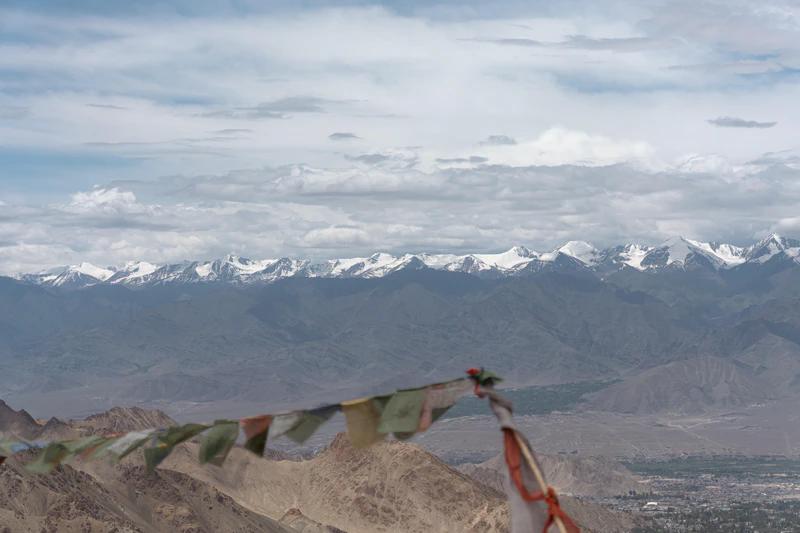
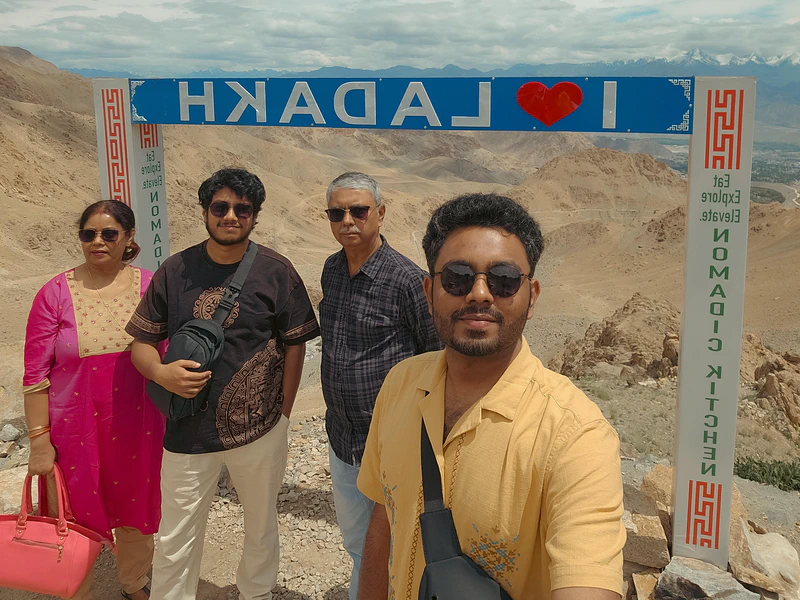
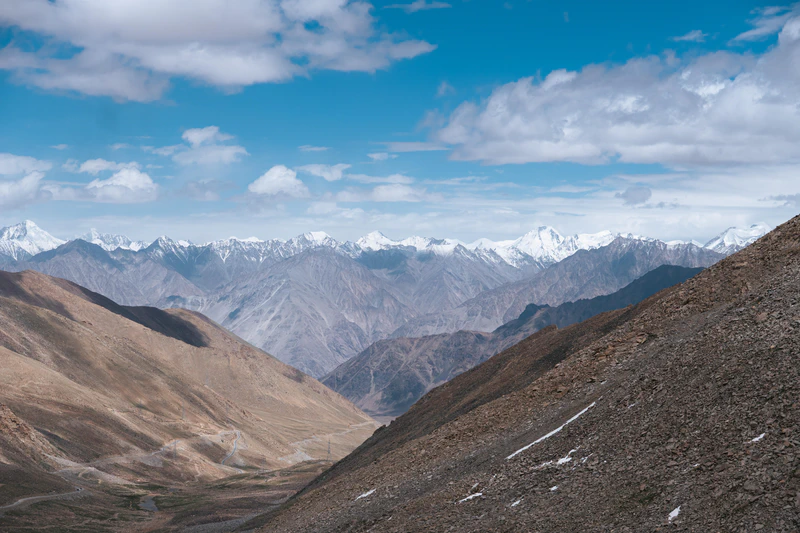
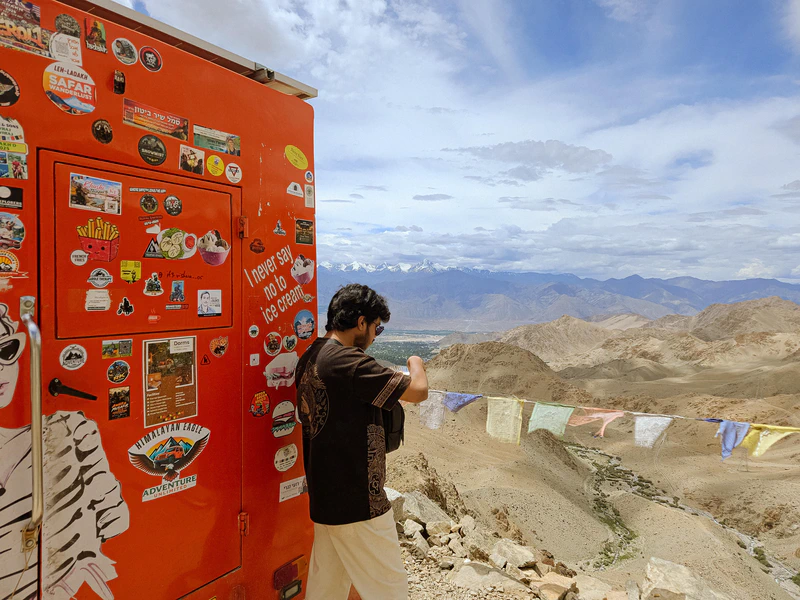
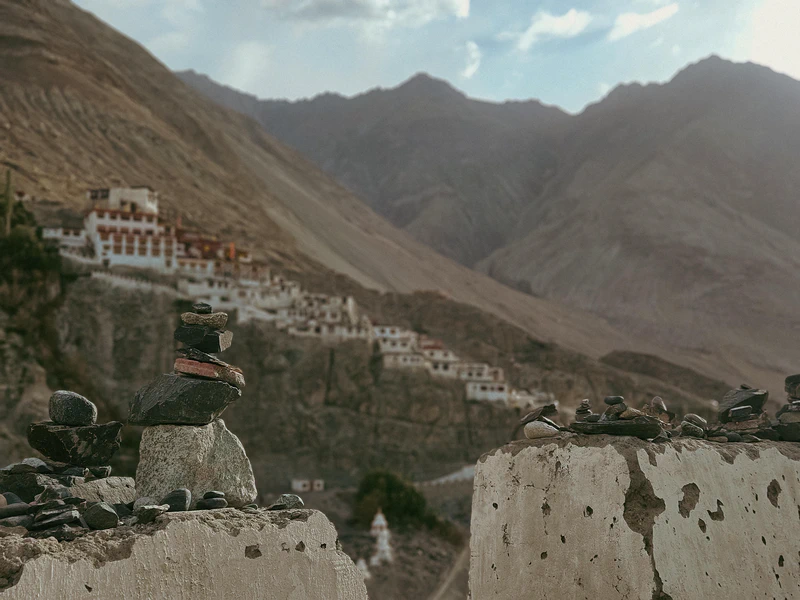
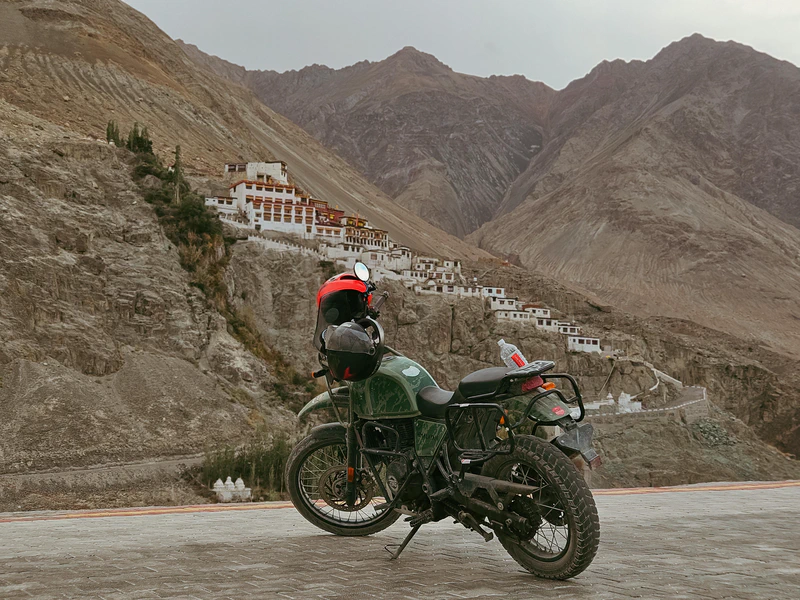
The drive from Leh to Diskit via Khardung La takes about three hours, and we broke it up with a few stops: egg maggi at a roadside stall, a short pause beside a stream, and a fair bit of huffing and puffing at the pass itself. My father and my friend’s wife both started feeling breathless, their oxygen levels dropped fast, and we had to put them on oxygen support and get them down from Khardung La as quickly as possible. Not exactly the postcard moment we had imagined at 17,000 feet. Before checking into our stay for the night, we made a quick stop at Diskit Monastery.
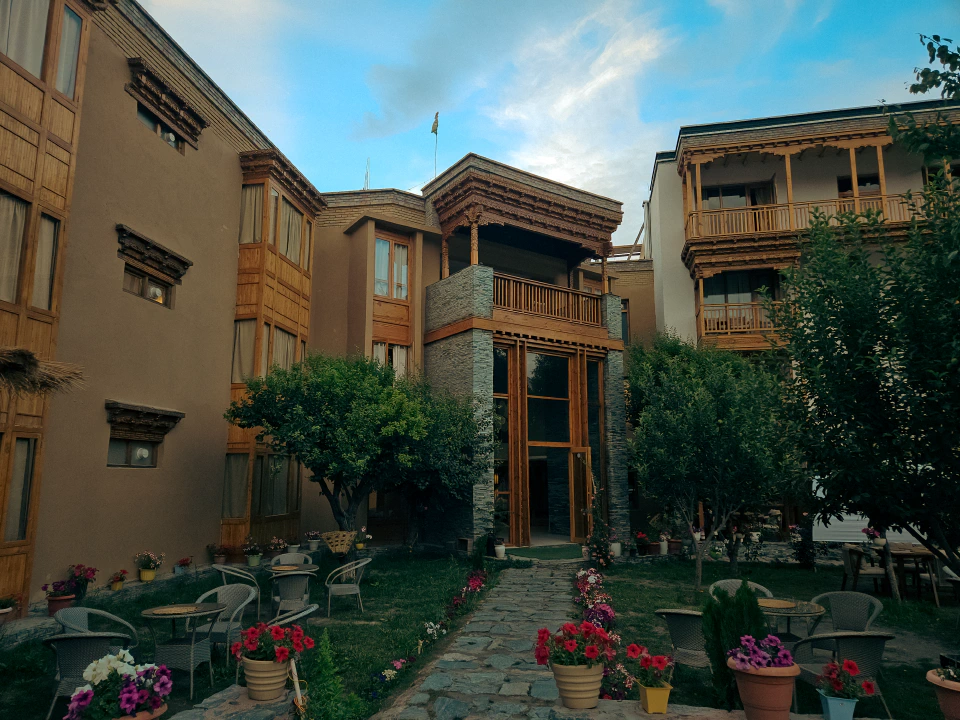
Our stay in Diskit turned out to be a pleasant surprise, a genuinely comfortable luxury suite hotel with earthy decor, tucked away in the middle of a remote village. Since Santanu uncle handled all our bookings, we never really knew what kind of hotel awaited us at each stop. There is something oddly satisfying about discovering your accommodation only after you arrive, like a small gift you get to unwrap every evening.
We had a lavish dinner that night and went to bed happy. This is where the trip took its first real turn. Late in the night, it started pouring, followed by thunder and winds strong enough to shatter a window in our room. We had gone to sleep under a clear sky. We woke up to a completely different Ladakh.
Day 4#
21st July ‘26 | Turtuk, Nubra Valley
Last night’s torrential rain had left behind a thick blanket of clouds. A big change from the sunburn we were still nursing from two days ago.
Today’s plan was to explore Turtuk village, a long drive from Diskit via the Siachen transit camp road. The route itself was stunning, with mountains carrying all sorts of natural patterns carved into their slopes. No photo or video really could justify the beauty of it. You just have to be there to witness its glory.
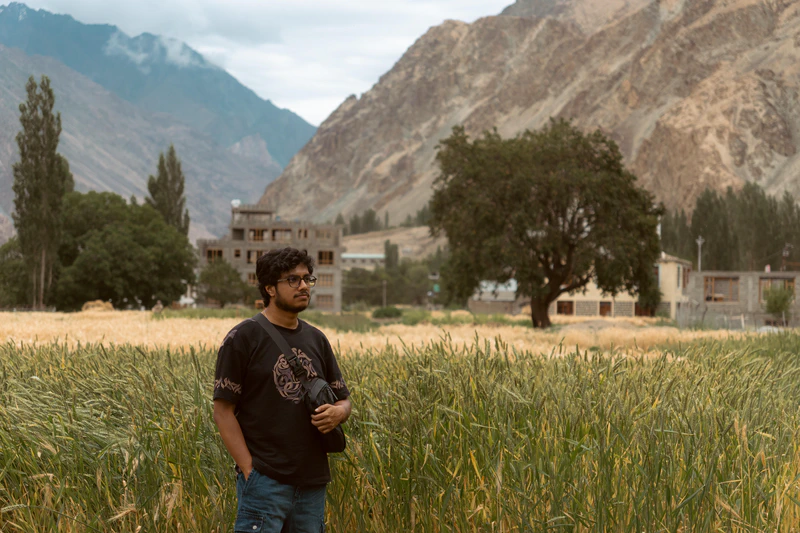
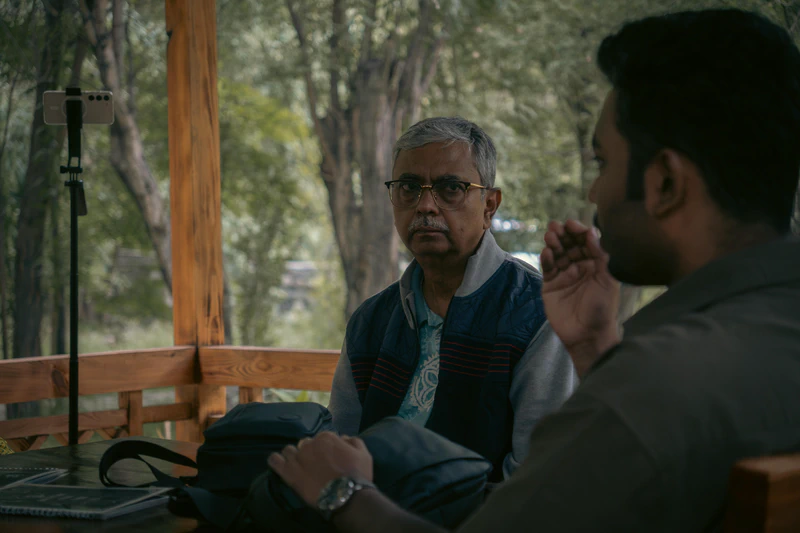
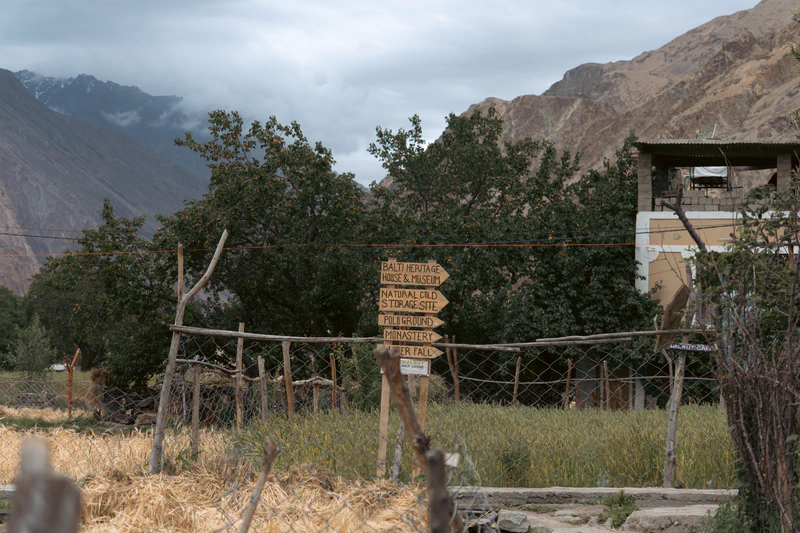
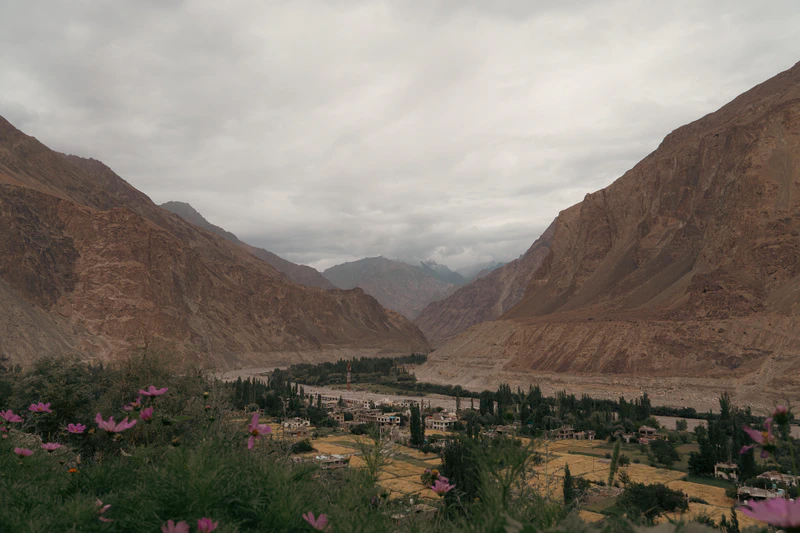
Turtuk sits close to the India Pakistan border. It was part of Pakistan administered Baltistan until the war of 1971, when the Indian Army took control of the area. For a long time it was the northernmost village in Ladakh, though that title has since passed to Thang, from where you can spot the border and parts of Pakistan occupied Kashmir.
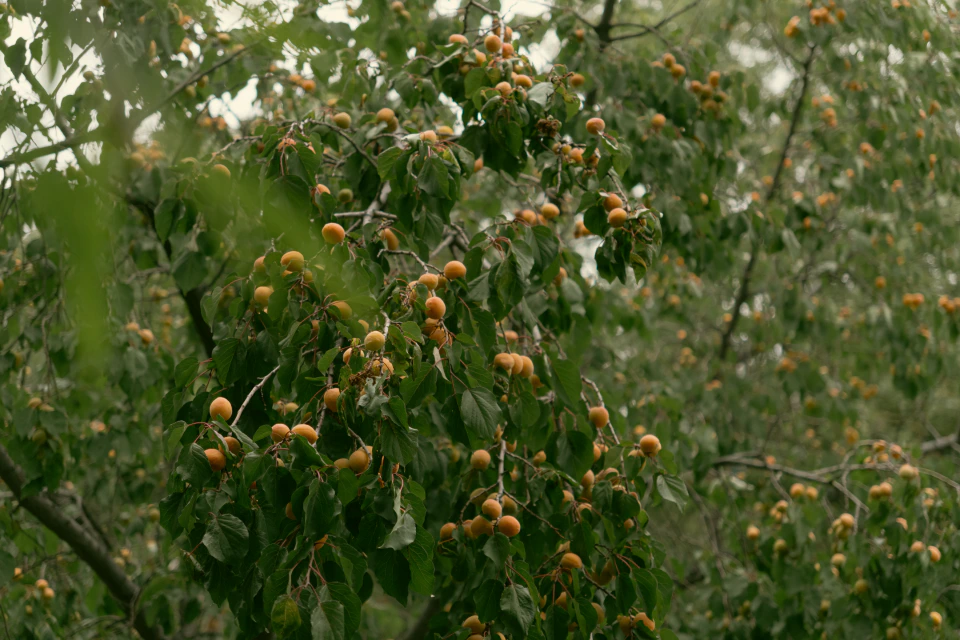
We were curious to try the local Balti cuisine, so we asked our driver to point us to a good place. The cafe, Baltistan Food Yard & Camp, looked promising from the outside. The food was not. It was easily the worst meal of the entire trip, bad enough that Balti cuisine might not get a second chance from us anytime soon.
Back at the hotel, the staff broke the news that landslides and snowfall had blocked the roads to both Pangong Tso and Leh. We were supposed to head to Pangong the next day, but that plan was now sitting somewhere under a pile of rocks. We were stuck, with no clear idea of when the roads would clear.
None of us had dealt with something like this on any previous trip or trek. Nature had decided to remind us who was actually in charge. Our hotel bookings for Pangong Tso were already confirmed, and with Khardung La also blocked, even the alternate route to Pangong via Chang La from Leh was off the table. It was clear that we needed a new plan for the next day.
Day 5#
22nd July ‘26 | Sumoor, Nubra Valley
Both our spirits and our faces were low that morning. We had planned this trip months in advance, specifically for July, when Ladakh is supposed to be enjoying peak summer, not monsoon season. But nature has never been fully predictable, and there was nothing to do except accept it and move on.
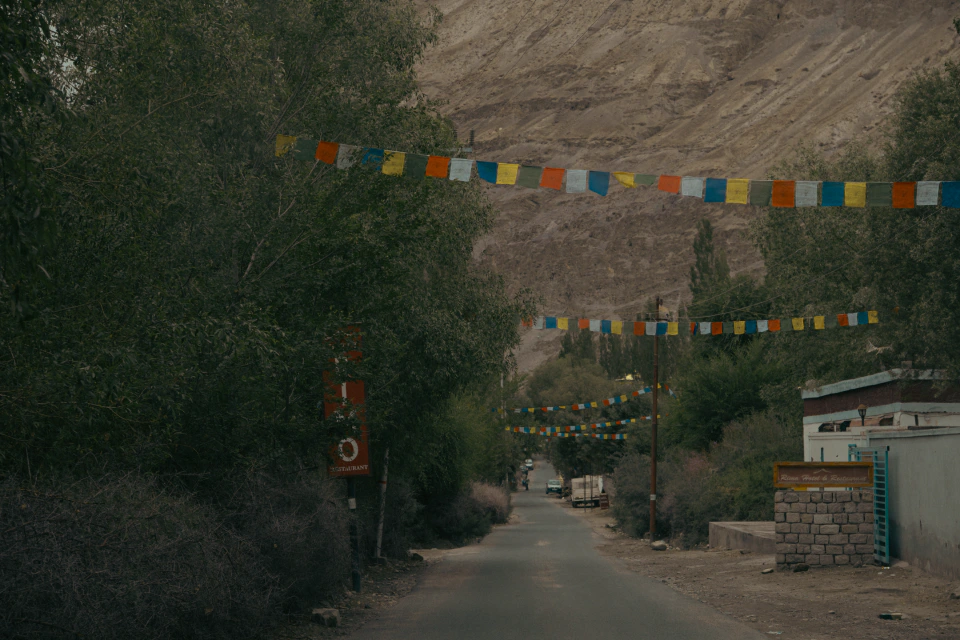
Our driver took us to the Panamik hot spring. It’s a natural geothermal spring, but the way they have boxed it into cemented pools for tourists took away most of the charm for me. It felt more like a public swimming pool than a hot spring in the middle of the Himalayas. We had already decided to spend the night in a small village called Sumoor, so we stopped at a modest dhaba on the way and had genuinely tasty momos and maggi for lunch. The view right outside the dhaba was gorgeous enough that we lingered longer than planned before finally heading to Sumoor.
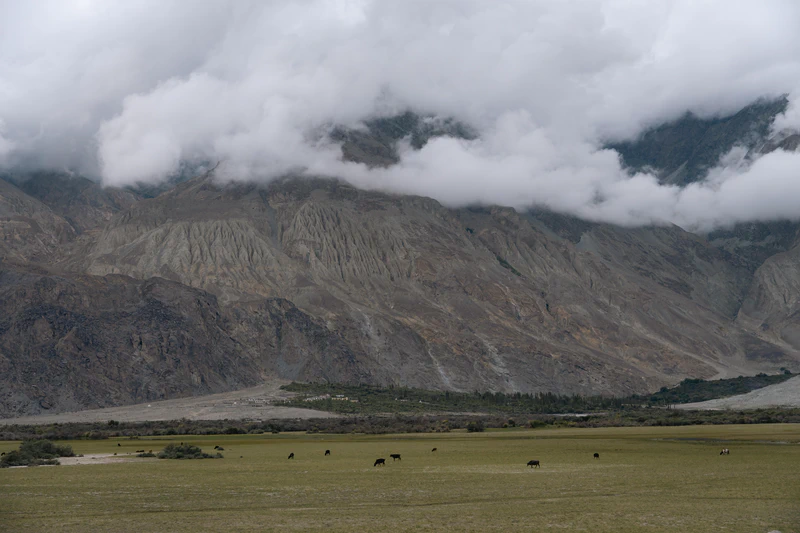
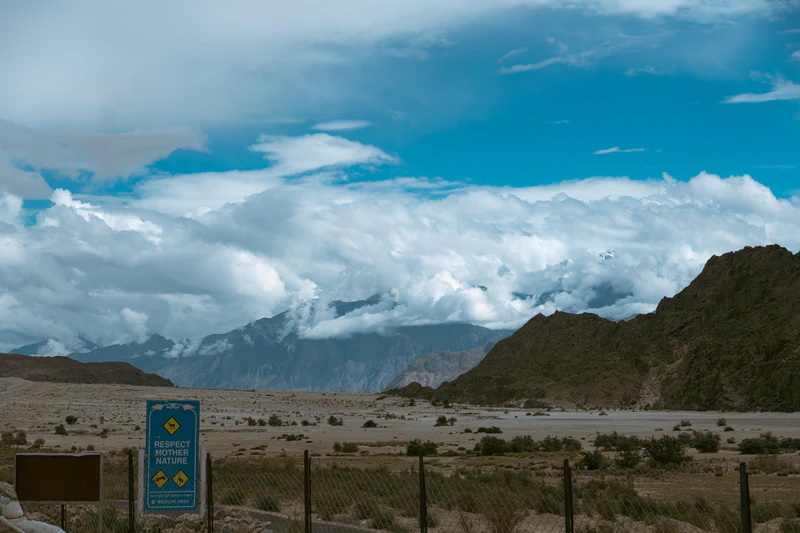
Finding a stay for the night took a bit of effort. We found a cozy little homestay. In the evening we wandered through the village lanes, and Sumoor ended up feeling far more offbeat and untouched than Turtuk had.
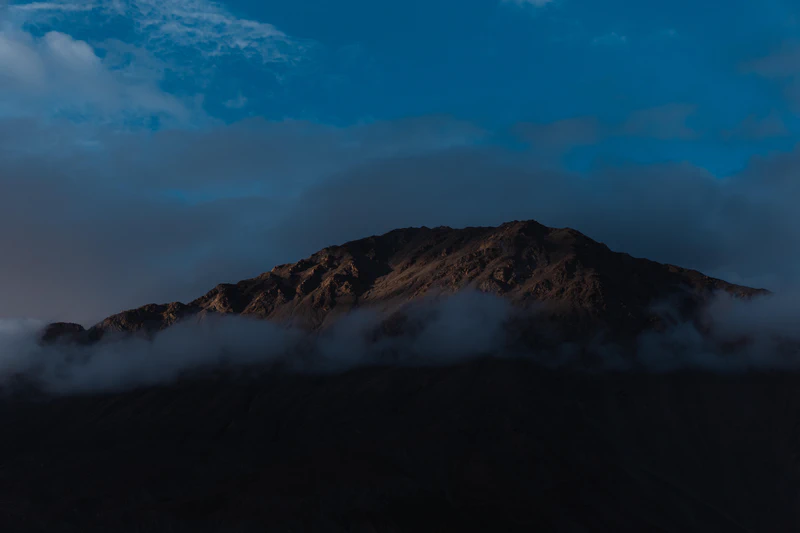
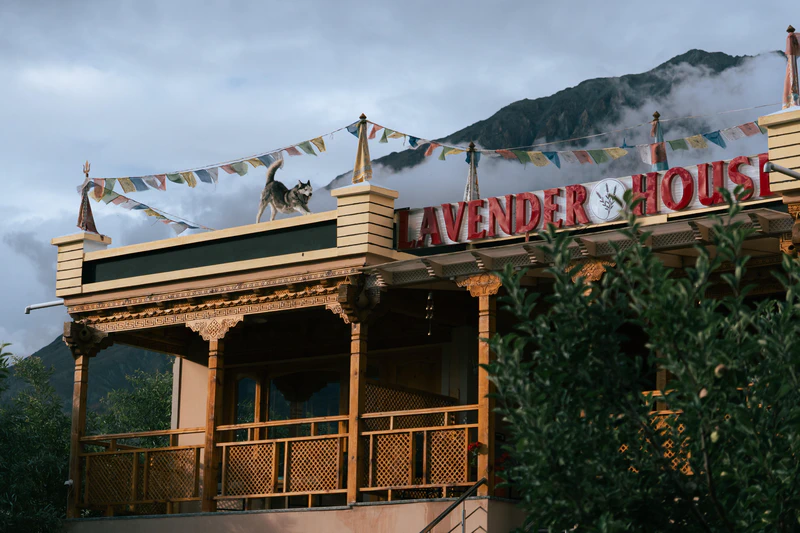
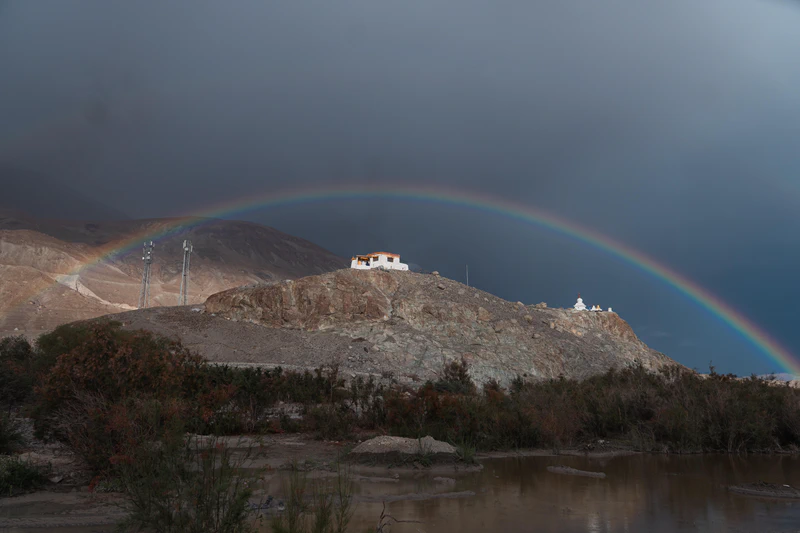
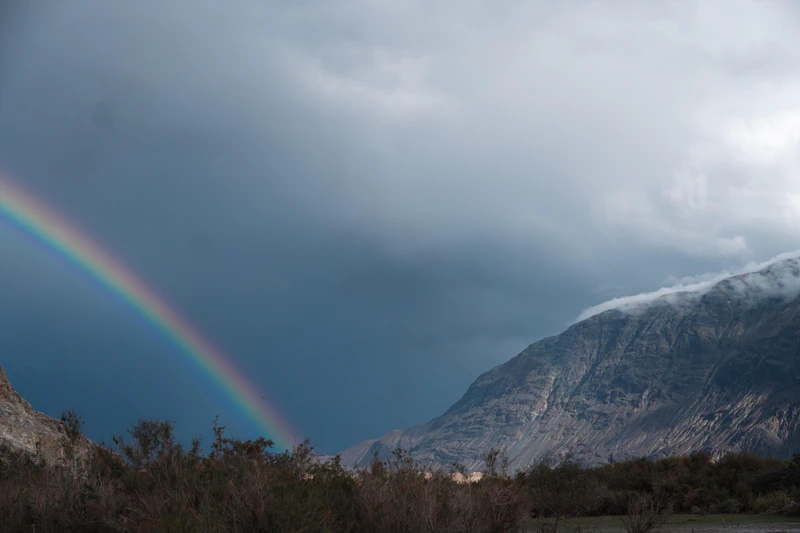
We were already low with our plans falling apart, but a rainbow showed up somewhere along the way and won our hearts right back. Sumoor turned out to be exactly the soothing relief we needed after everything.
Day 6#
23rd July ‘26 | Nubra to Leh to Chang La Pass to Pangong Tso
Our driver had good news this time. The road to Leh via Khardung La was finally clear, which meant we could make our way to Leh and then push on to Pangong Tso via Chang La. It was going to be a long haul though, close to eight hours covering around 340 kilometres. We had a light breakfast and braced ourselves for the ride.
We already knew Hanle was out of reach on this trip. Our return flight was booked for the morning of the 26th, and while going to Hanle on the 24th and coming back to Leh by the 25th sounded doable on paper, one more spell of bad weather could easily trap us again, and this time we might not make it back in time for the flight. So Hanle quietly got dropped from the itinerary, filed under next time.
We stopped for lunch at a Tibetan cafe in Leh, and the food was so good that we went back to the same place again on the day before our flight. Some decisions really do not need a second thought.
Somewhere around the point where the Nubra to Pangong link road meets the Leh to Pangong road, the landscape seemed to shift into a different reality altogether. We were driving through this stretch in the late evening, right when the fading sunlight and the first hints of night overlap, and together they created something close to magical. Words genuinely fall short here. It is one of those things you have to experience for yourself. When Pangong Tso came into view for the first time, wrapped in darkness with only the moonlight tracing its outline, it was equal parts breathtaking and unsettling.
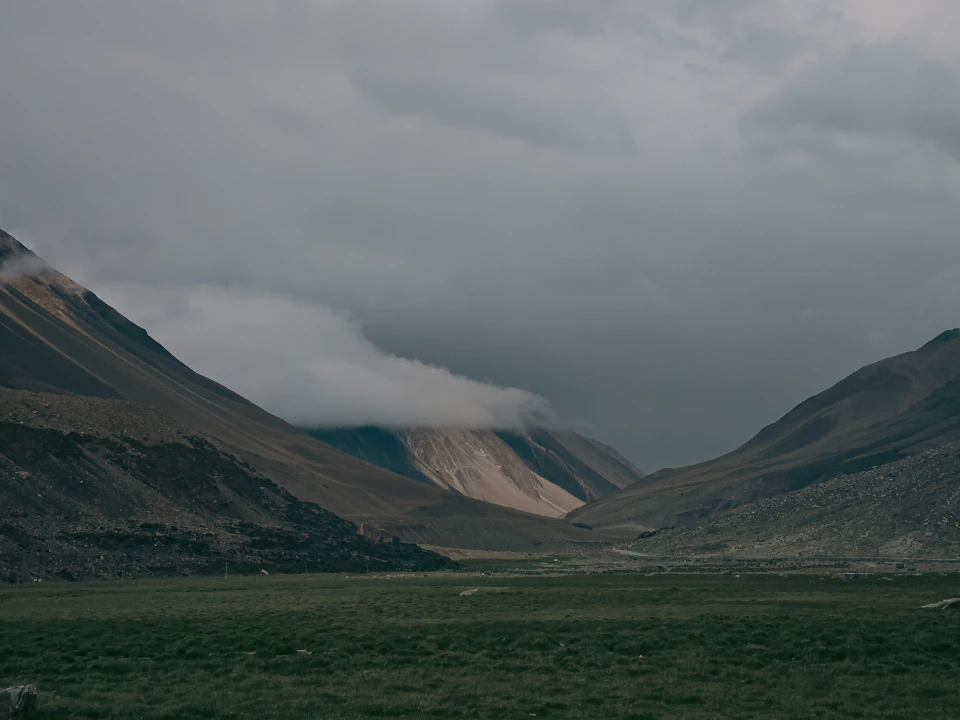
Our hotel booking in Pangong was for the 22nd, a day we obviously could not make. The hotel owner was kind enough to arrange an alternative stay for the 23rd without charging us anything extra, and a fair bit of credit goes to Santanu uncle for sorting that out with him. The moment we settled into our rooms, my mother started feeling uneasy and breathless. I put her on oxygen support right away, and within half an hour my father began showing the same symptoms. Thankfully we had two oxygen cylinders with us. I called our driver and explained what was happening, and he advised us to head straight to the nearest hospital in Tangtse. So at around 11:30 at night, we packed our bags again and set off. He drove us to Tangtse, about 40 minutes from Pangong, where we got both my parents admitted to the government hospital. The doctors treated them, got them stable, and discharged them after an hour. We found a homestay in Tangtse and spent what was left of the night there. That was the point where I felt completely drained, both physically and mentally. A trip we had all been looking forward to for four months was falling apart in front of us, first at the hands of the weather and now this. I went to sleep that night without any real plan for the morning.
Day 7#
24th July ‘26 | Pangong Tso to Leh
The morning started slow, understandably so after the night we had just been through. Once we found some energy again, we asked the driver to take us to Pangong Tso before heading back to Leh.
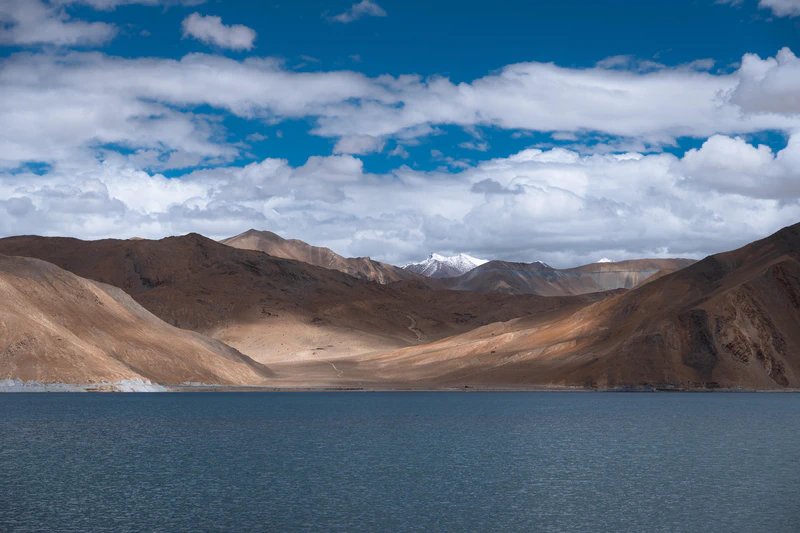
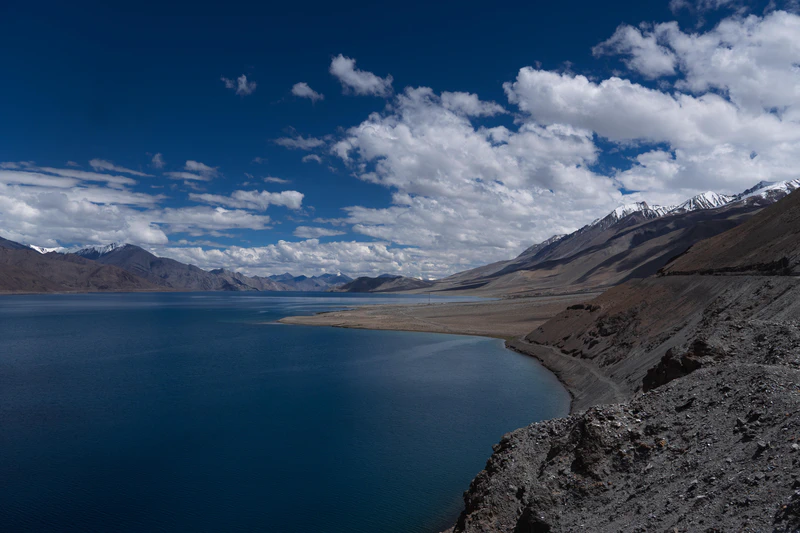
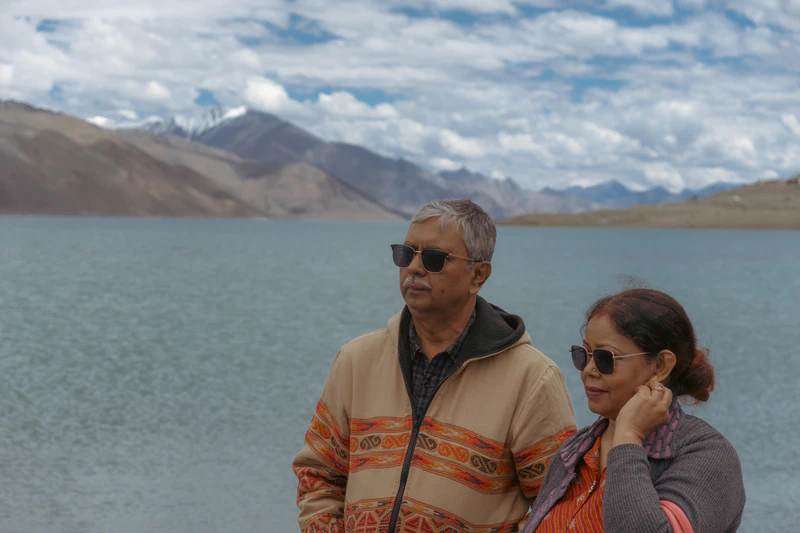
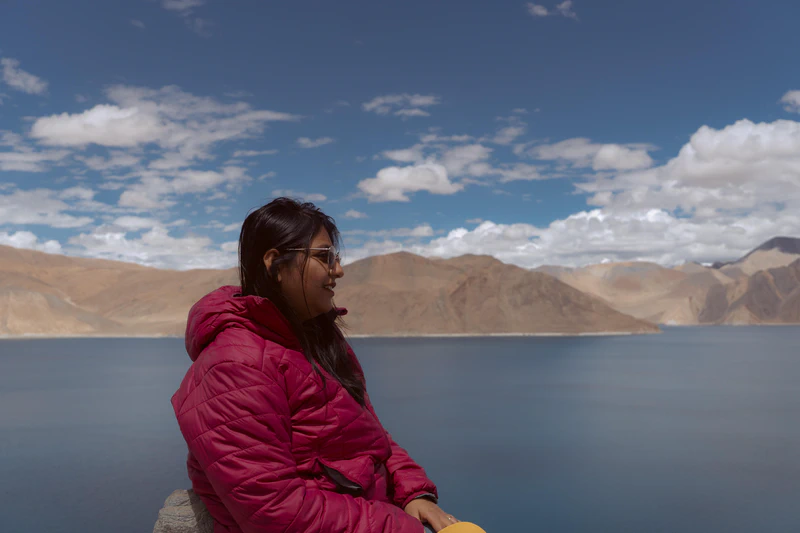
Only about 30 percent of the lake actually lies within India, the rest stretches into China, and even that smaller share looks so vast that it feels more like a sea than a lake.
The same roads that had felt so mysterious under moonlight the previous night looked like an entirely different place in broad daylight. We had not really missed anything the night before, that dusk view had its own kind of beauty, equal parts stunning and a little eerie. But daylight showed us a completely different side of the same route, and it was every bit as worth seeing.
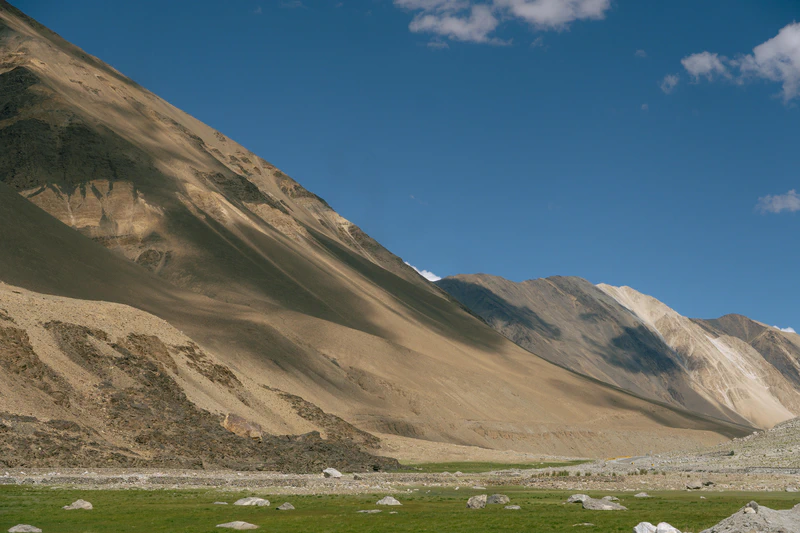
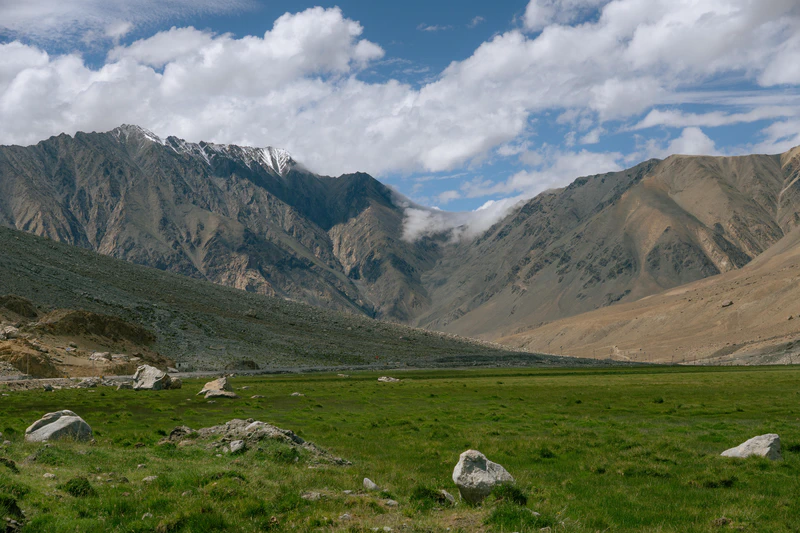
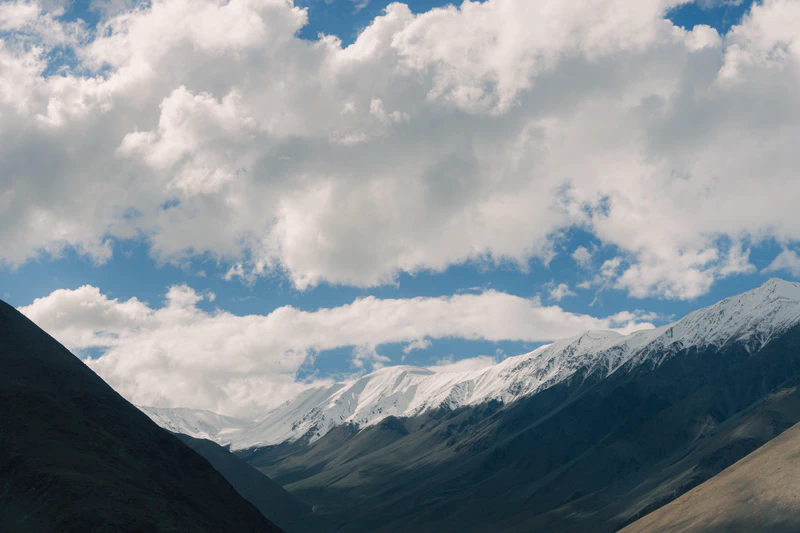
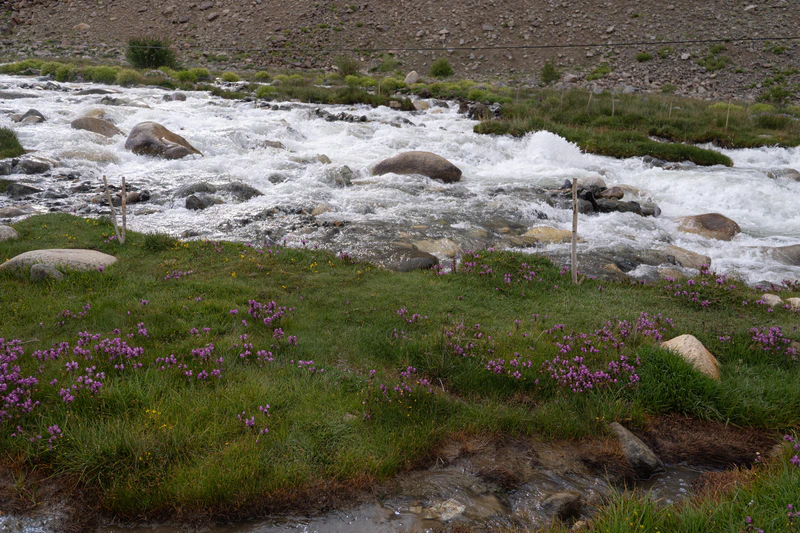
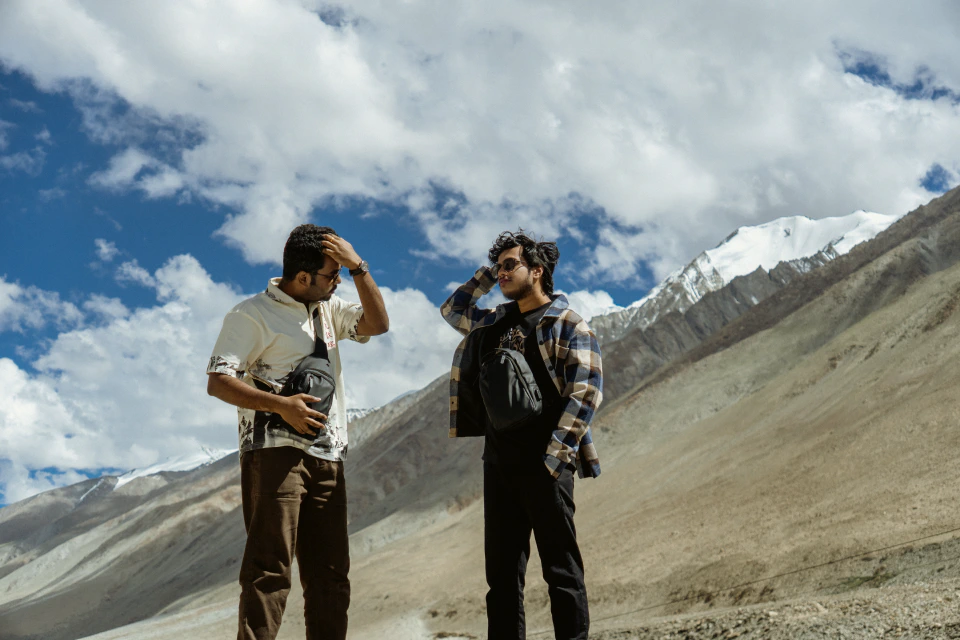
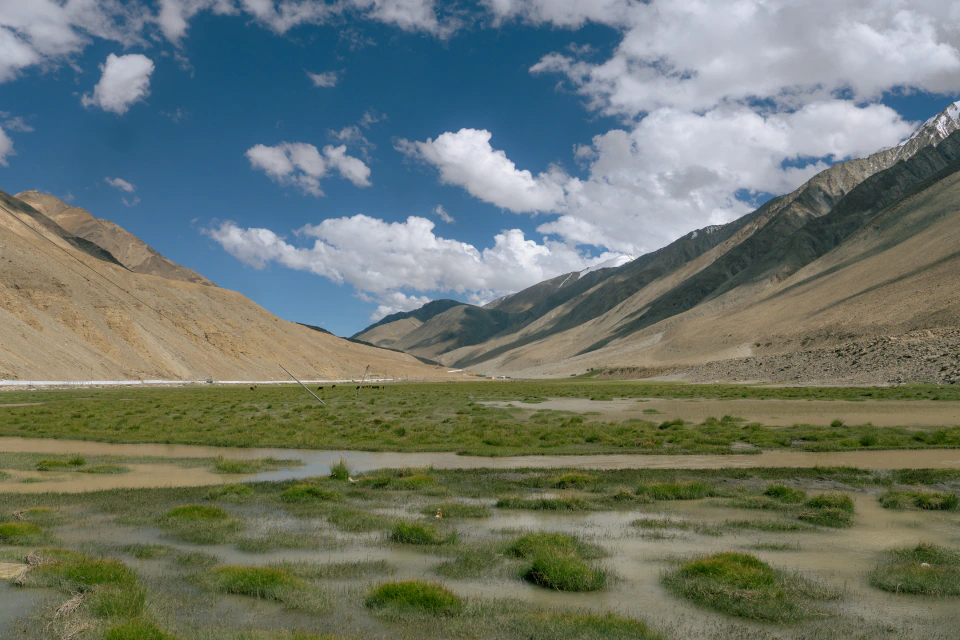
We had lunch at Durbok village and then drove straight down to Leh. A few kilometres before Leh, we came across another zipline. This time my friend’s wife and my father joined in as well. The view around it was so good that it talked us into doing it a second time.
Day 8#
25th July ‘26 | Leh
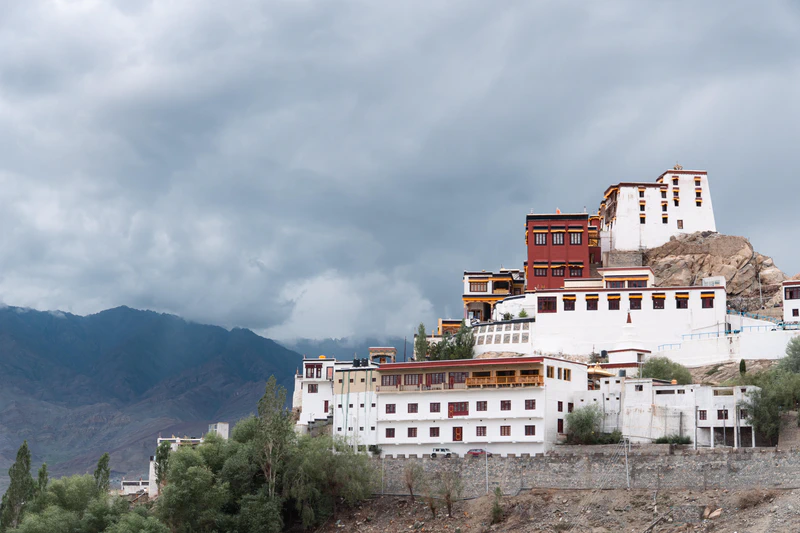
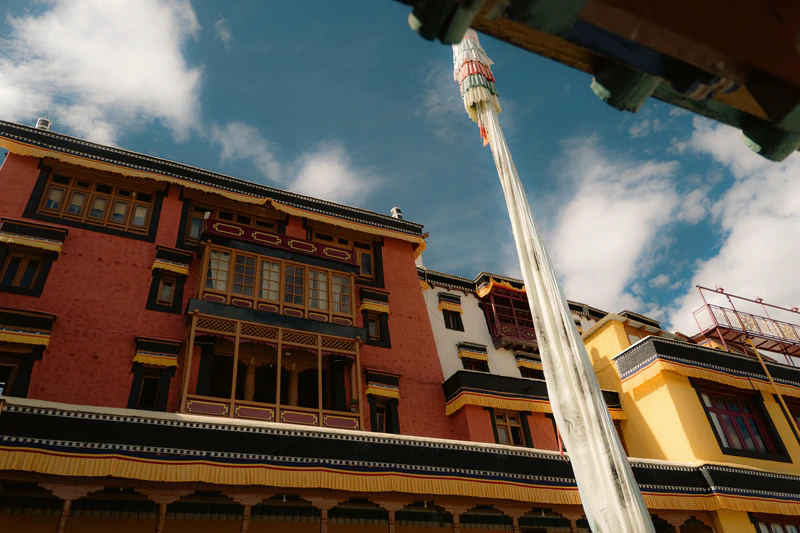
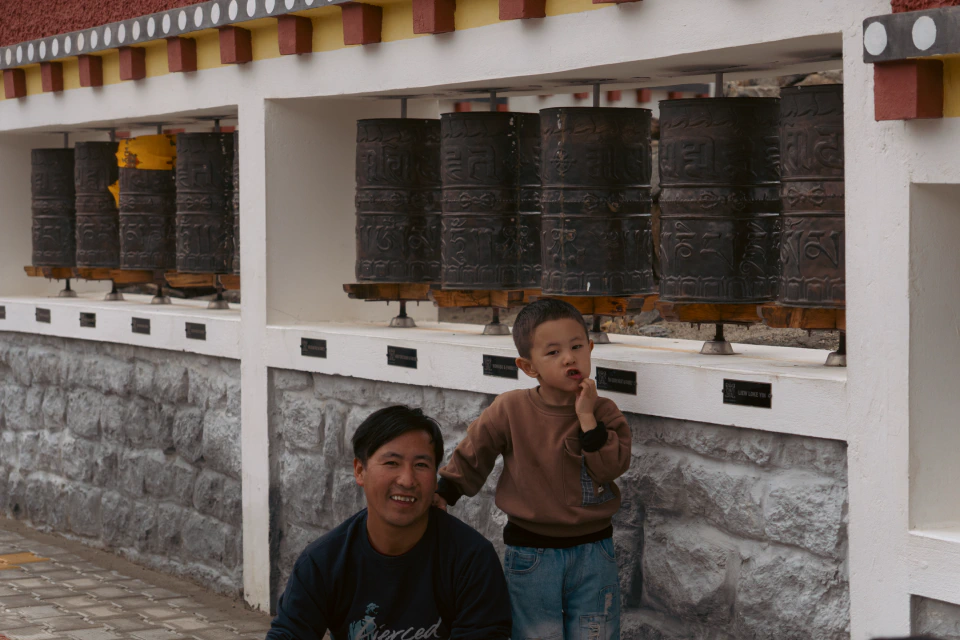
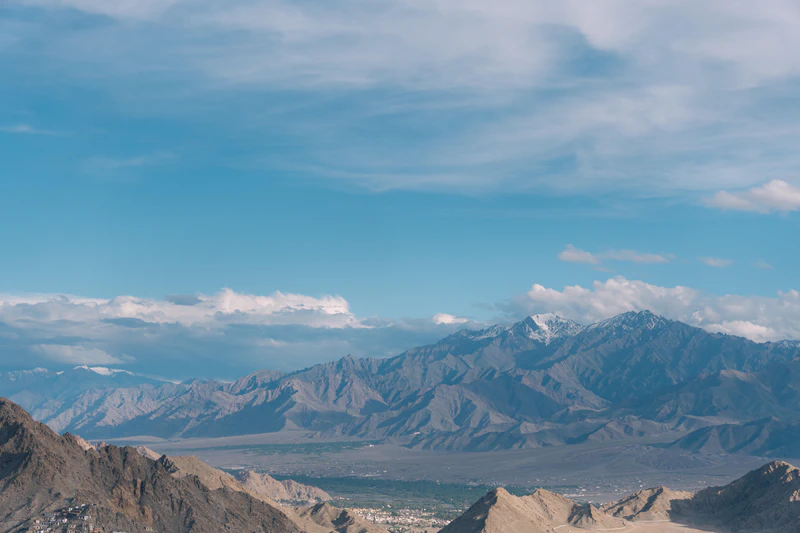
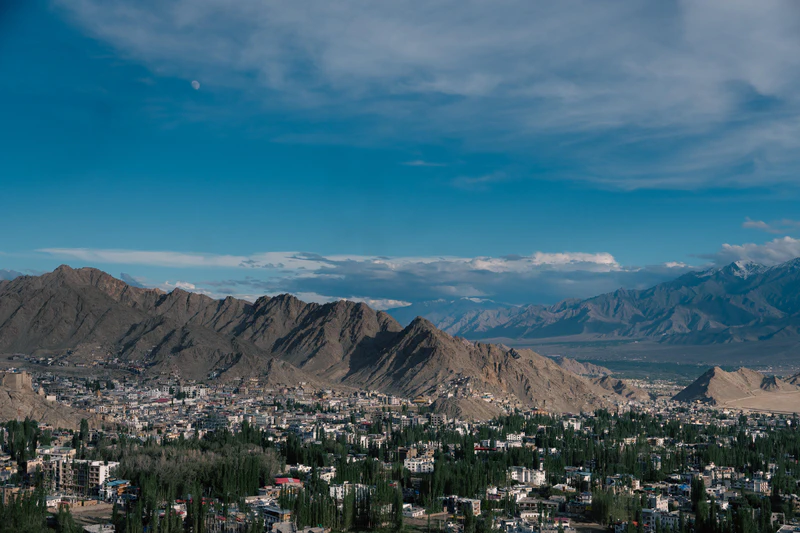
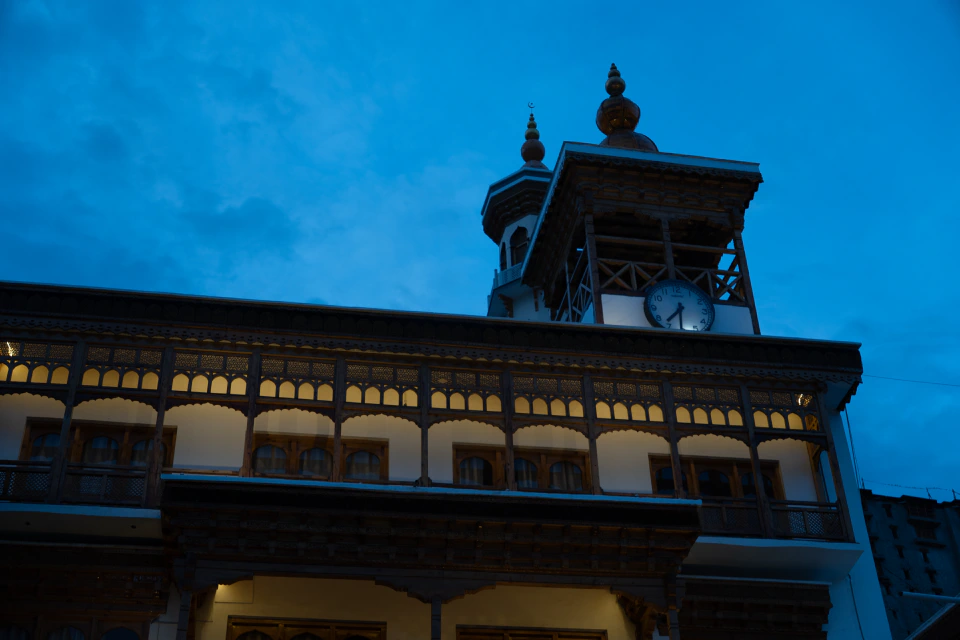
This day was set aside for Thiksey Monastery, Shanti Stupa and a walk through Leh’s local market. It was starting to feel like the trip was winding down.

Day 9#
26th July ‘26 | Leh to Back Home
We boarded our flight in the morning and headed home, carrying a mix of good memories and a few rough ones. The trip could have looked quite different if we had managed to catch the sunset at Pangong, or made it to Hanle, Puga Valley and Tso Moriri as originally planned. The weather had other ideas. But if there is one thing this trip confirmed, it is that Ladakh is never really done with you after just one visit.
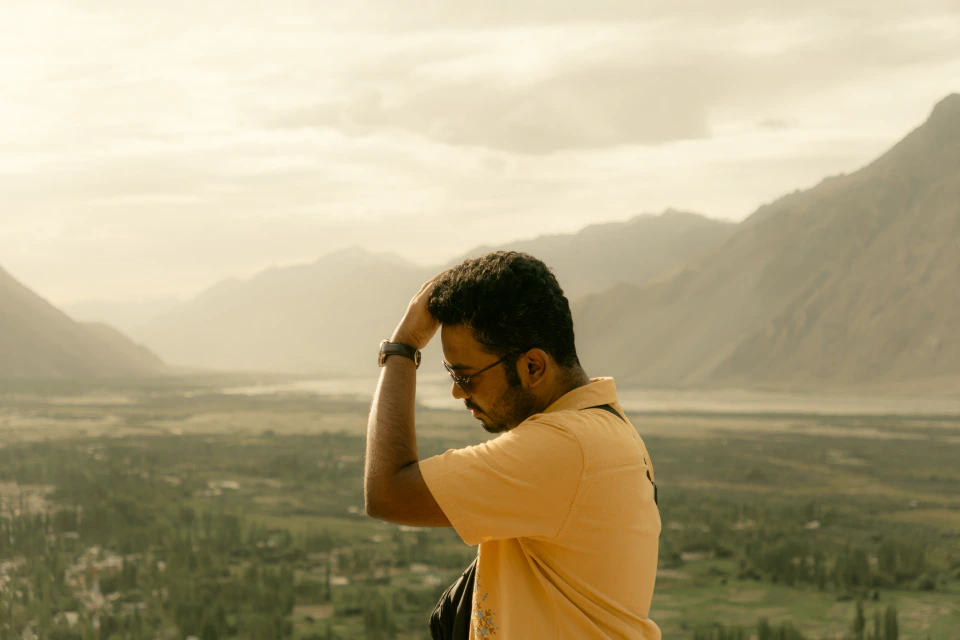
Credits: most of the photographs here were shot by rahzex.